Last Updated: March 9, 2022
Displacement Measurement
Non-contact displacement measurement
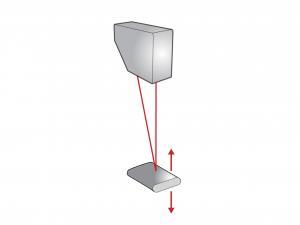 Displacement measurement, often used interchangeably with distance measurement, measures the distance between the sensor and the target. It measures start and end point, and can take into account velocity and speed, with the start position typically being the reference point.
Laser displacement sensors and confocal displacement sensors are ideal for any non-contact distance measuring application. Non-contact laser devices are typically chosen for high-speed measurements or when the target is too delicate or too hot for tactile probes. Laser triangulation sensors are ideal for accurately measuring distances of a few inches using the principles of triangulation measurement, with the sensor enclosure, the emitted laser and the reflected laser light forming a triangle.
Displacement Laser Sensor
Non-contact laser measurement has multiple uses. Its primary use is to precisely measure distance, position, or height of a target. Measuring the displacement with a displacement laser sensor can also be used to figure out an object’s width, height, and thickness. Important factors when selecting an instrument sensor includes accuracy, speed, and environmental understanding.
Our sensors can be used for many different displacement applications. Some applications include wing displacement tests, speaker cone deflection, and displacement measurements on engines. Below are some other examples of past applications, but this list is not exhaustive.
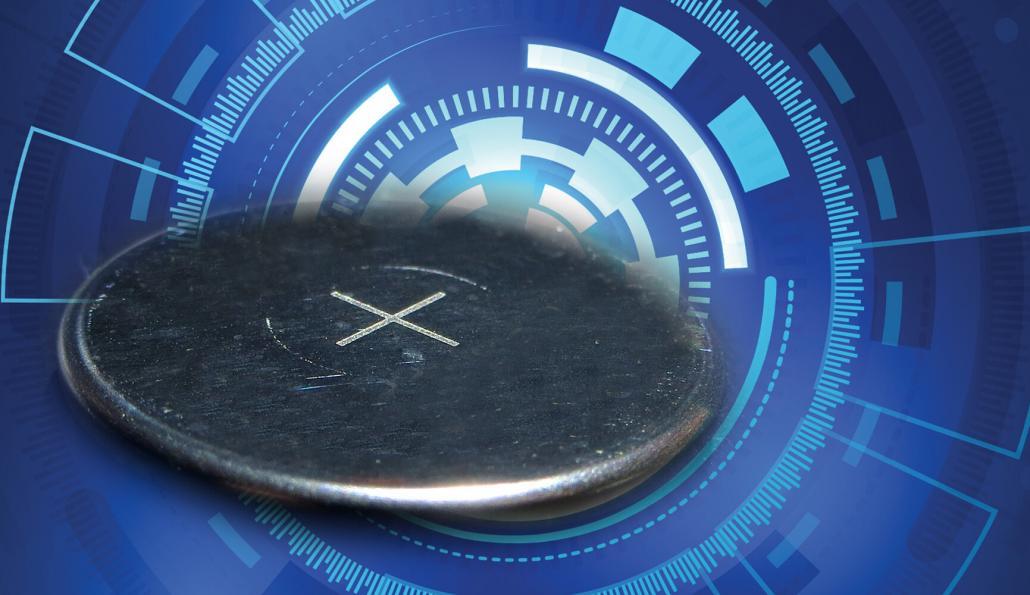
Battery Expansion Laser Displacement Test
A US manufacturer was looking to find a system to precisely measure the displacement of a battery cell during a battery expansion measurement test.
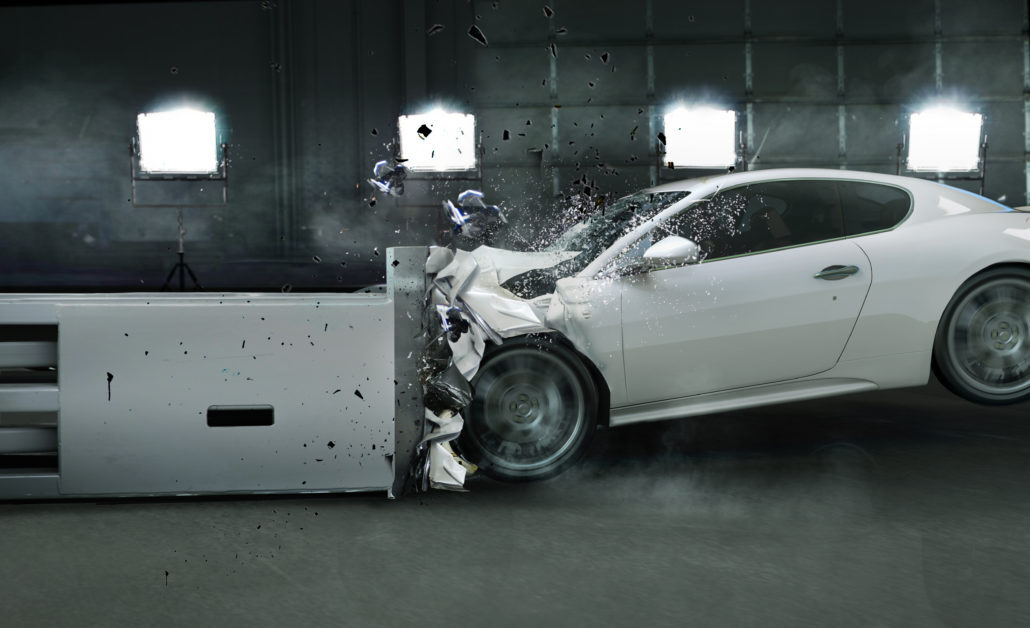
Crash Test Sensors
Engineers of automobile crash tests use the AR500 laser position sensor to measure the car’s deceleration during the crash event. Analog signals from the sensors are used to produce a deceleration curve plotted against time.
Detection of Drill String Whirl
Acuity sensor application preventing drill string whirl with three Acuity AR700-16s mounted 120 degrees around the drill collar pipe.
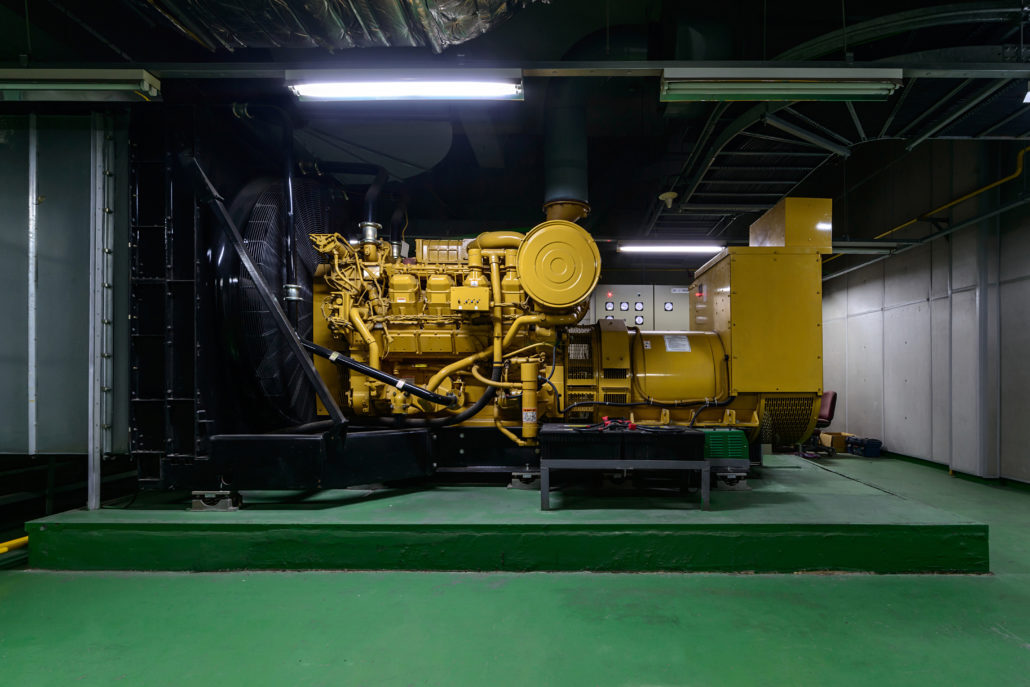
Displacement Diesel Engine
The leading electric motor and generator servicing company in the US uses four laser measurement sensors to measure the amplitude of vibration of large diesel generators. Their test setup has the sensors measuring the displacement of the diesel engine (generator) support rails while the system is idling and during heavy loading.
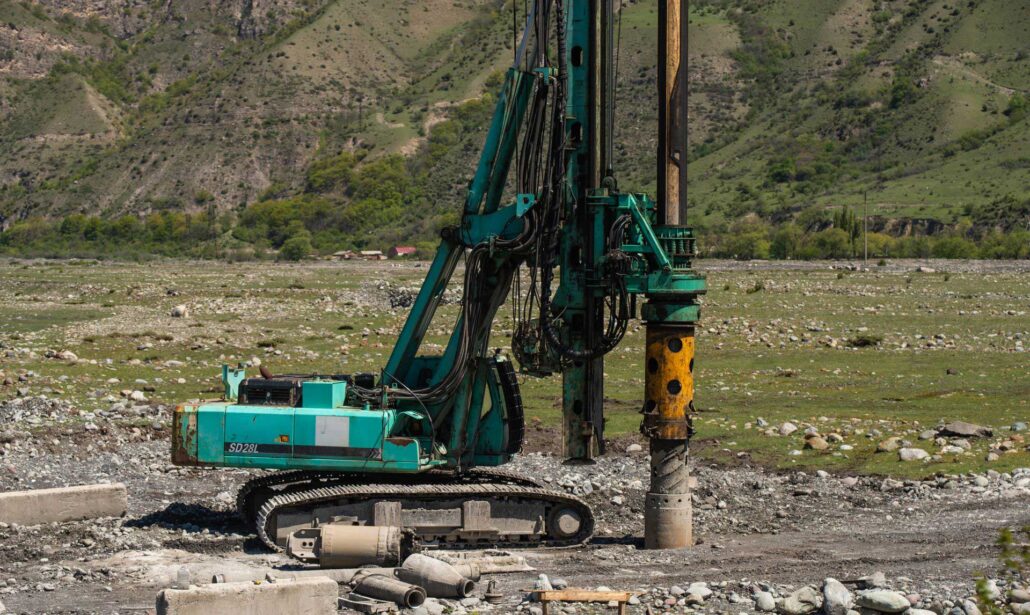
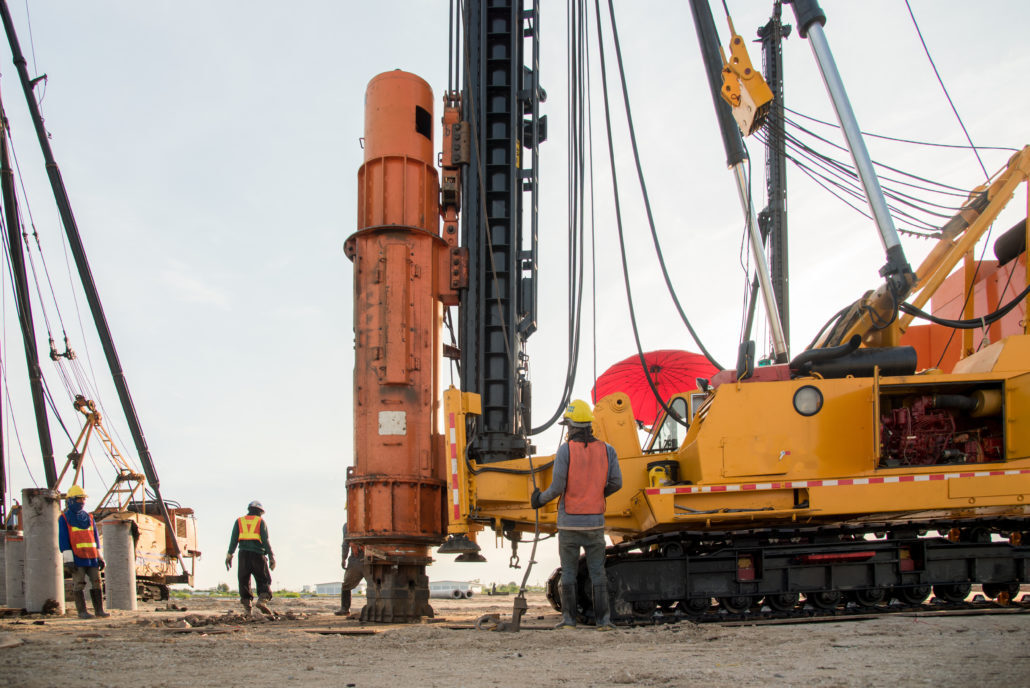
Foundation Pile Set Measurements
A maker of foundation pile testing equipment uses laser rangefinders to collect set data, acquiring it much faster than hammer impacts. The rangefinder is affixed to a stationary base. The automated equipment is set up prior to starting of the hammer and does not require the use of manual recording methods.
Hydro Turbine Alignment
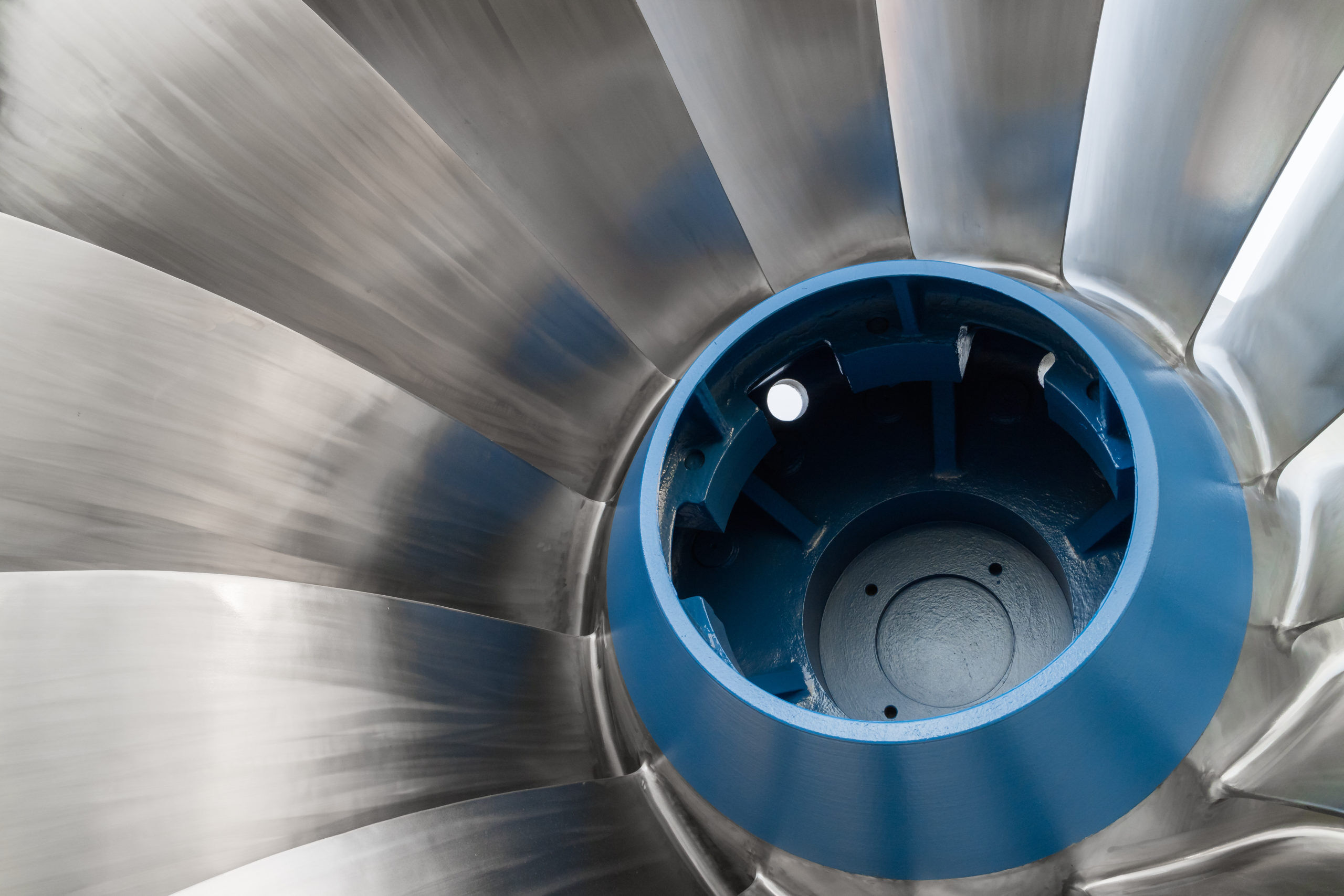
Hydroelectric engineers in Wenatchee, WA needed a precise, non-contact method for aligning the turbine blades in the system’s housing. They selected an AR700 laser displacement sensor to measure the distance from a known location on the turbine to the sidewall.
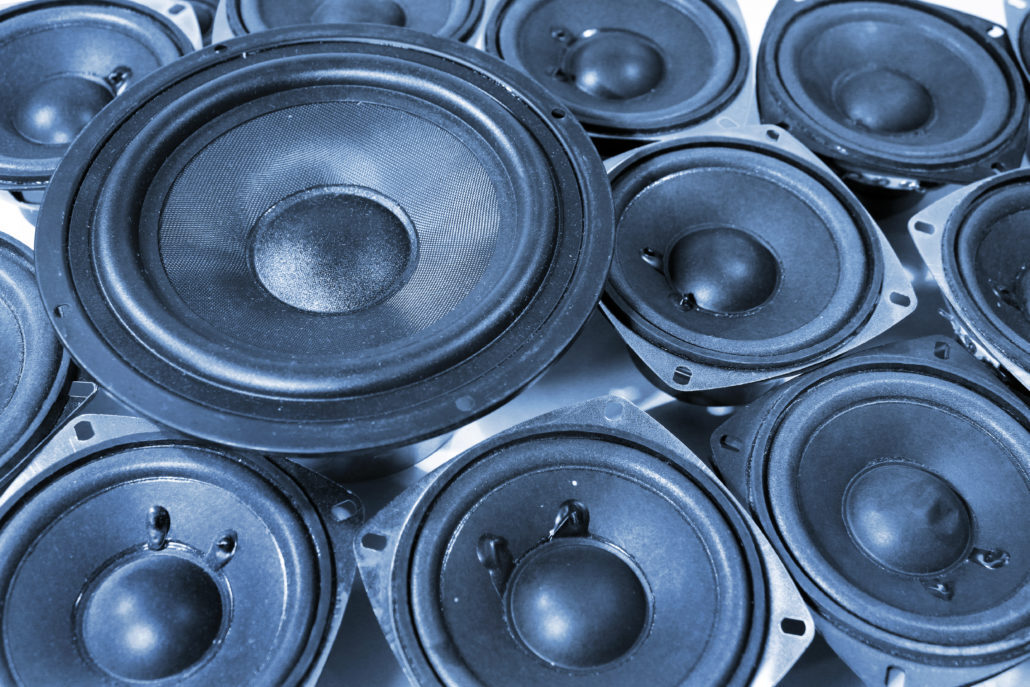
Measuring Speaker Cone Deflection Using Triangulation Sensors
A major audio speaker manufacturer contacted Acuity to help solve a challenging applied measurement problem. In this sound vibrations scenario, a sensor with fast frequency response was needed to profile the entire amplitude of cone movement.
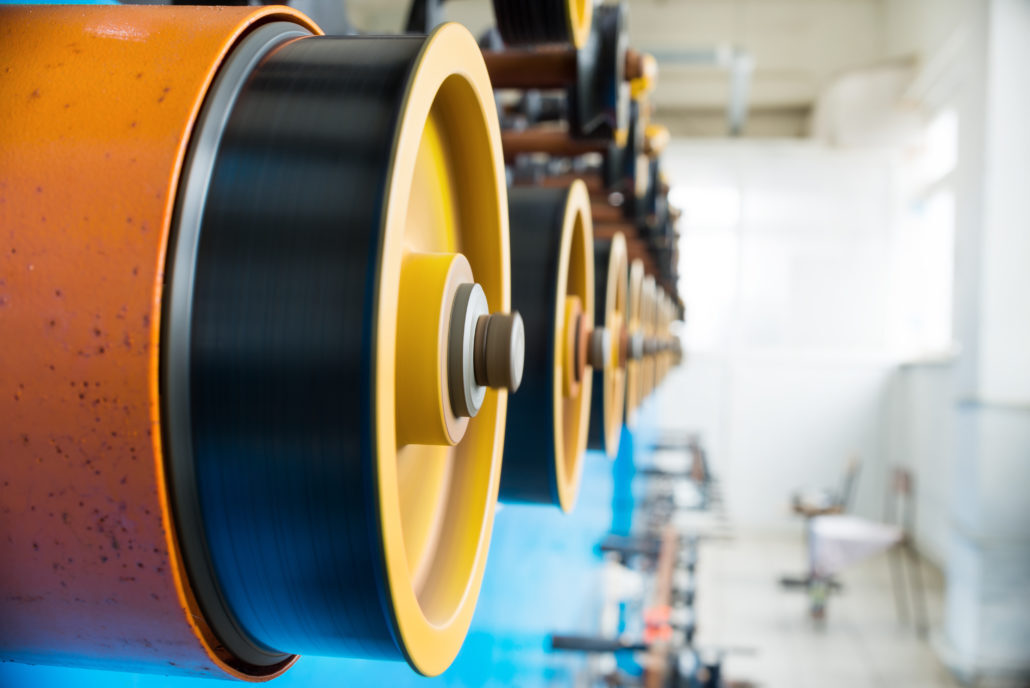
Sag of Web Material to Control Take-Up Speed
Before material is cut into individual sheets, there can be a large sag created by the mismatch of speeds between two rollers. A global manufacturer sought to use laser distance sensors to improve the performance of their production lines.
Sensors Measure Compression of Bamboo
Investigating the use of bamboo as a primary construction material, a team measured the strain of bamboo samples during materials testing. They required a laser sensor with a long standoff so that it would not get harmed if the bamboo failed and shattered.
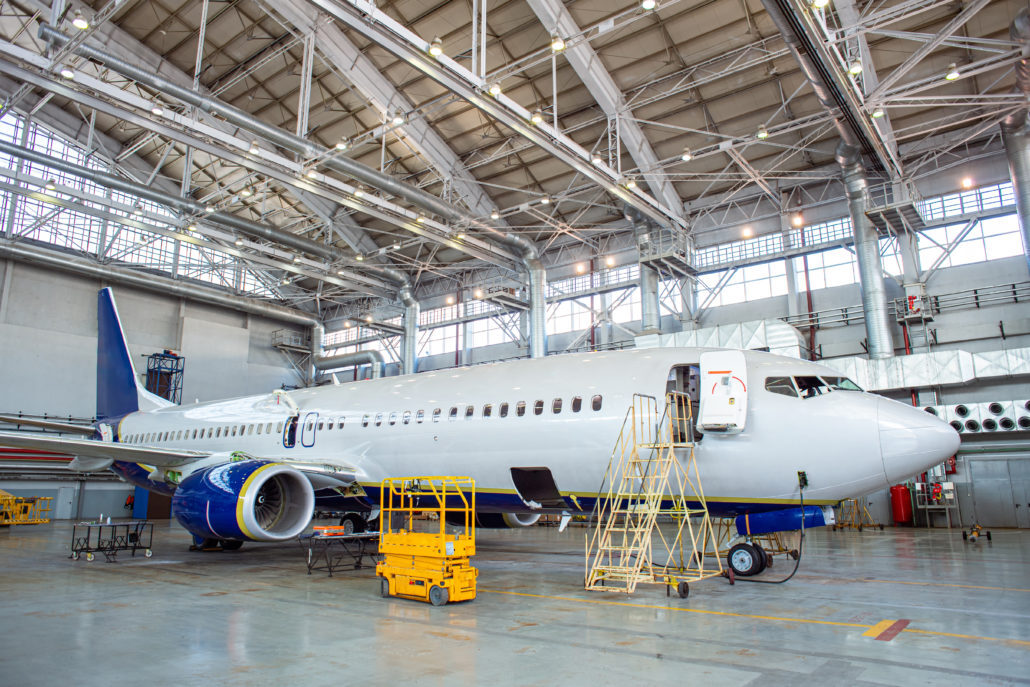
Static and Dynamic Displacement Testing of Aircraft Structures
To determine the strength of aircraft structures, components are mounted on tensile testing machines and loads are applied to measure the amount of forces aircraft structures are able to withstand. This is done in order to verify design loads and specifications of the aircraft.
Wind Turbine Blade Monitoring
Turbine engineers often want to remotely monitor components. The monitoring of blade tip displacement is an important metric and it requires a sensor that allows measurements away from the danger of the moving blades.
Wing Displacement Measurement Tests
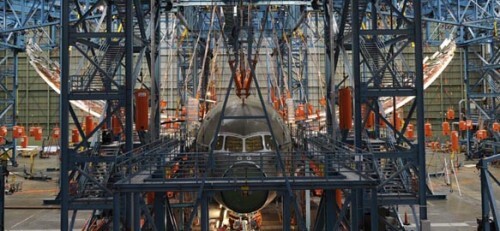
The “wing up-bend test” is a test of the mechanical integrity of composite wings as they are displaced upwards. Hanging from the end of each wing is a laser distance sensor, mounted on a gimbal to ensure the laser would be pointed perpendicularly to the floor as the wing is bent upwards.

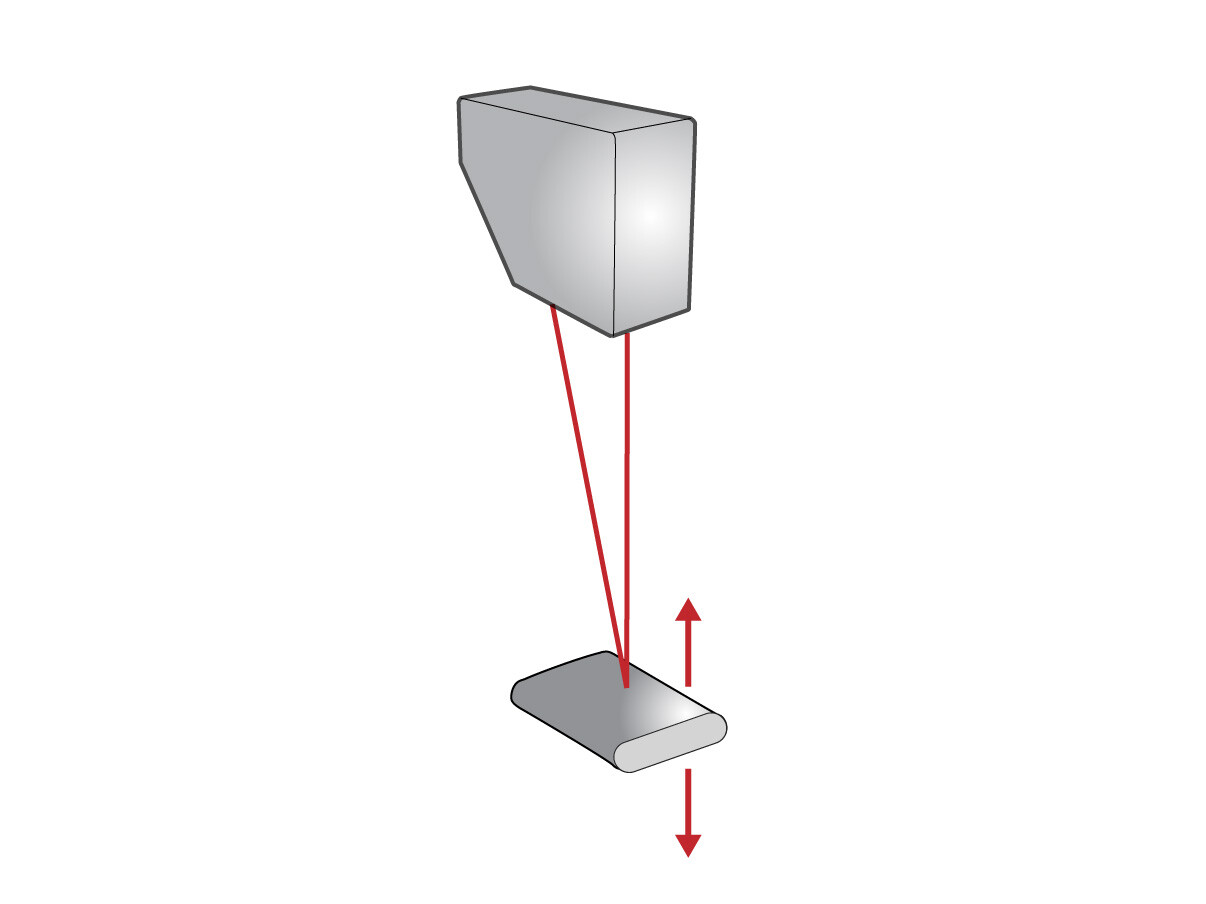 Displacement measurement, often used interchangeably with distance measurement, measures the distance between the sensor and the target. It measures start and end point, and can take into account velocity and speed, with the start position typically being the reference point.