Last Updated: May 4, 2026
Thickness Measurement
Laser Measurement Sensors Measure Thickness Of Materials
Thickness Is The Simplest Measurement Done With Laser Sensors
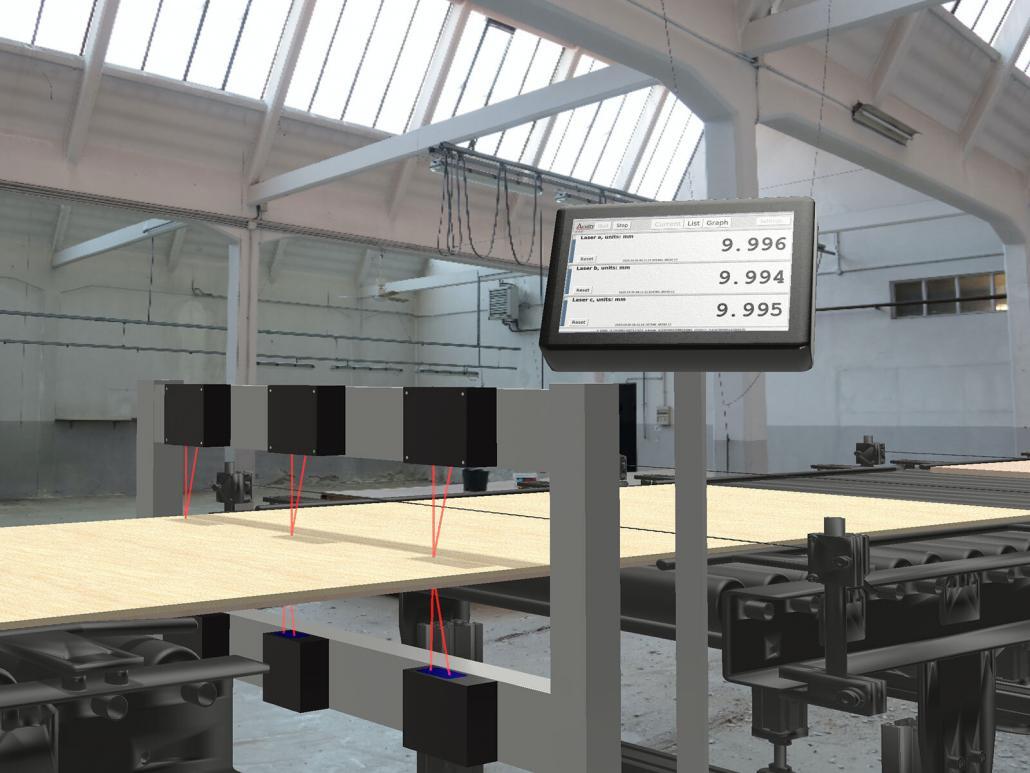
 When deciding the best way to measure thickness, it is important to consider factors such as the material target and type of measurement (range, accuracy, speed). It is also important to distinguish between one-sided and two-sided measurement. If a material rests against a reference surface like a conveyor or table, one sensor is used to measure material thickness. Otherwise, dual opposing lasers measure materials that pass between for inline measurement.
Due to the synchronization of our dual thickness lasers, non-contact measurement occurs at the same time and is therefore immune to the vibration of the material, resulting in precise readings. Our thickness laser devices are used to enable the customer to run at the low end of their tolerance range without crossing any limit thresholds. In turn, this increases productivity, improves quality control, and saves time and money on material management.
Advantages of non-contact measurement with displacement sensors include their non-destructive technique, ability for single-sided continuous thickness measurement, ability to cope with coatings, linings, etc., and high accuracy (0.1 mm and less) using standard timing techniques.
As well it can be easily deployed, does not require laboratory conditions, and requires relatively affordable equipment. Material and shape types include sheets, foils, insulation, layers, boards, rubber, plates, aluminum, clear film, polymers, rolled steel, plywood, plexiglass, polyethylene and more.
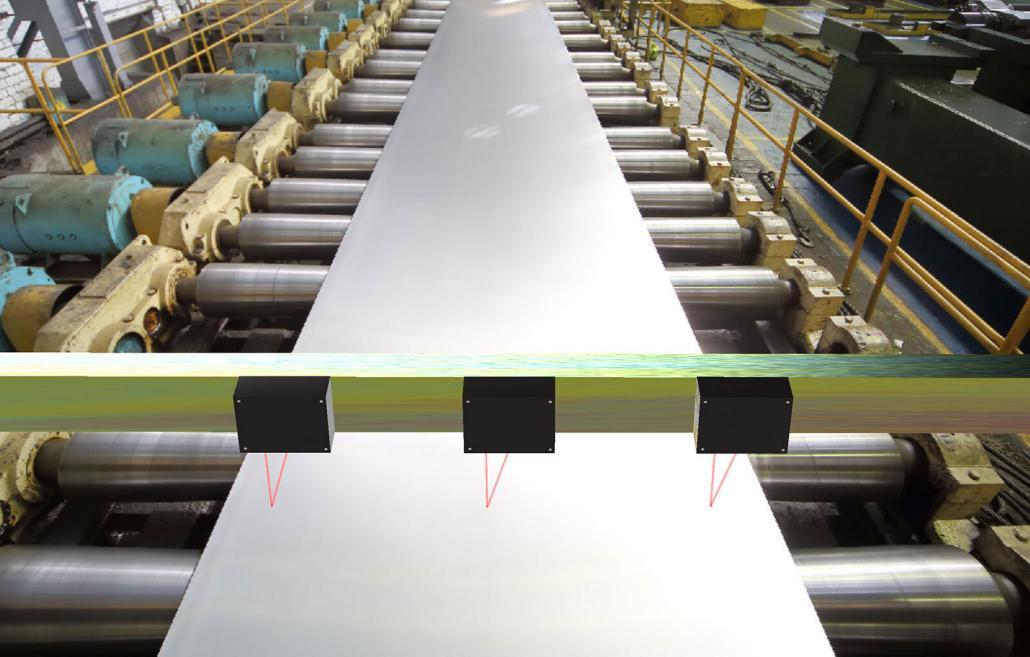
Aluminum Thickness Measurement on Rolling Mill
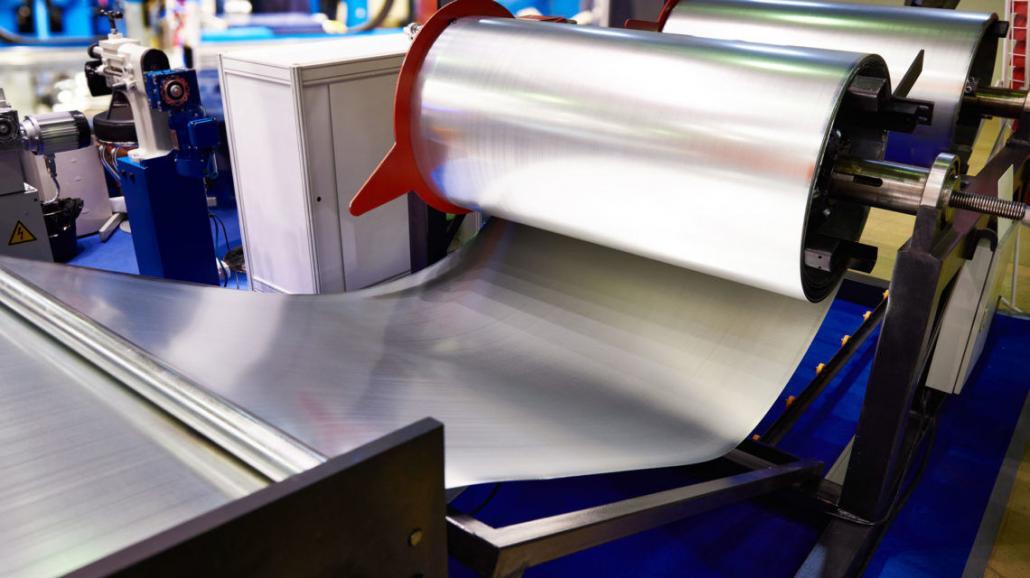
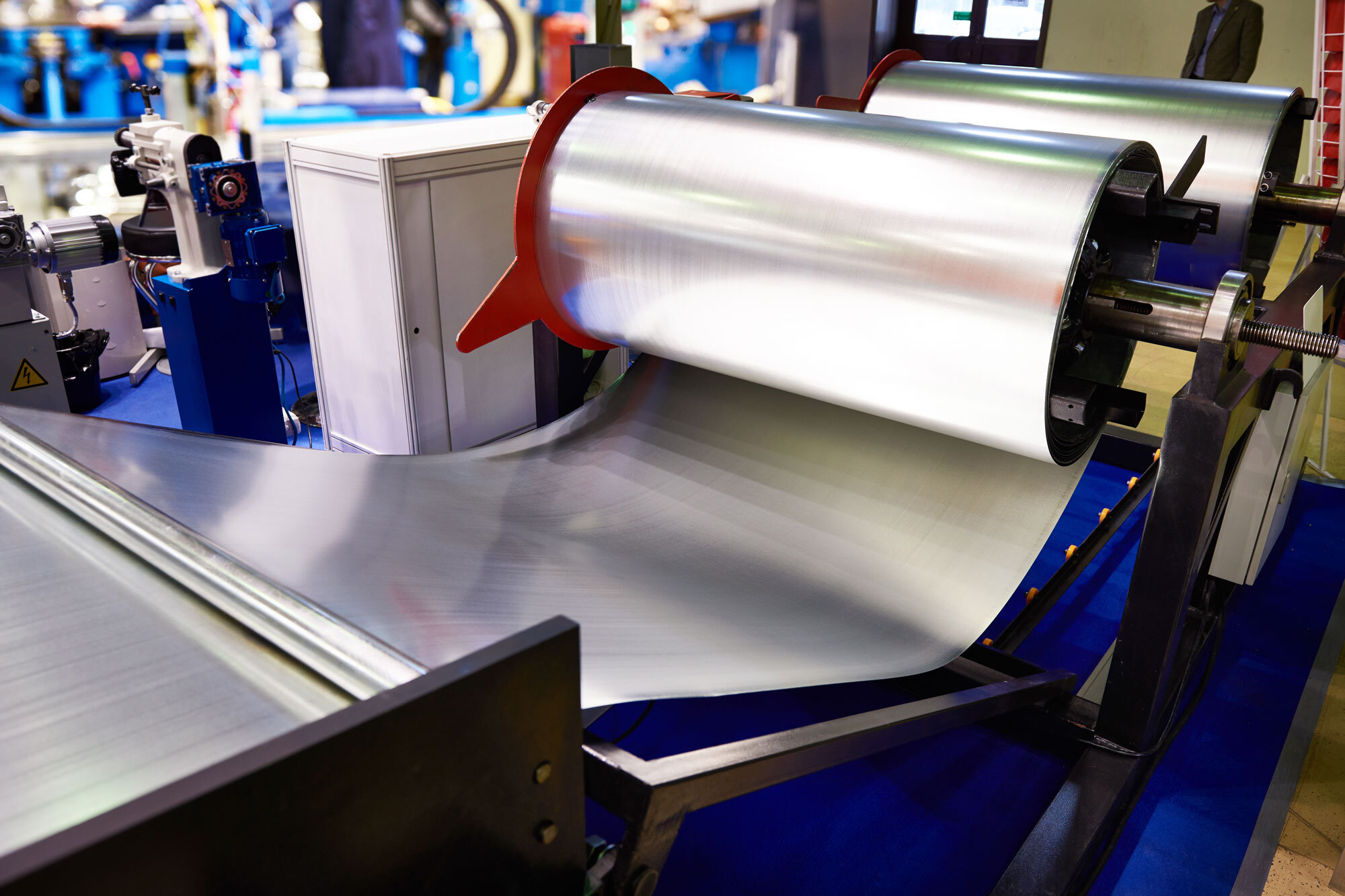
As an ingot block gets squeezed down into a thinner and thinner sheet of aluminum, the operator needs to know the thickness of the sheet in order to be rolled to the correct size. Acuity has designed the AR700 for use on a mechanical caliper slide that positions two dual opposed lasers around the sheet
Clear Film Thickness Measurement
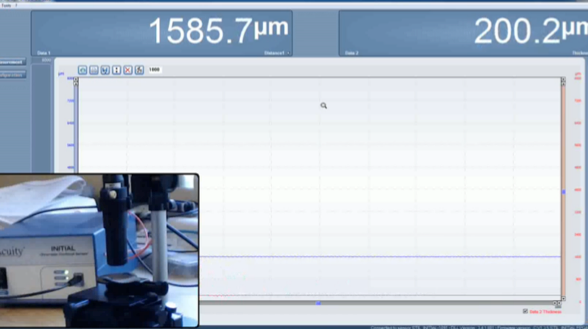
One of Acuity’s existing customers wanted to be able to measure the thickness of a clear and semi-transparent film online. By using the white light confocal chromatic CL4 MG35 probe on a CCS Prima controller, the customer was able to hold +/- 0.6 microns of thickness accuracy.
Clear Polymer Thickness Measurement
A manufacturer of a clear polymer used to make food wrapping material is using white light confocal probing to measure the thickness of the material as it’s being made.
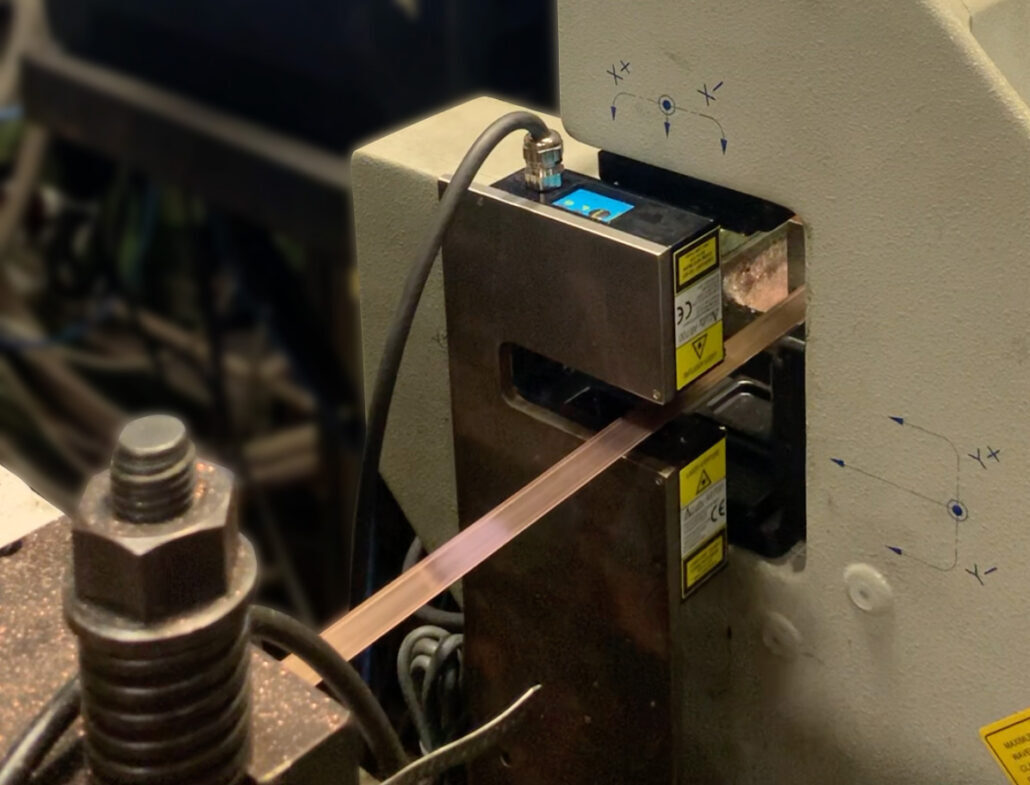
Copper Thickness Measurement for Inline Production
A worldwide manufacturer of copper round stock and copper strips sought — and found — a new solution for their inline copper thickness measurement. The company selected two AR700 – 0125 laser displacement sensors for a dual thickness solution.
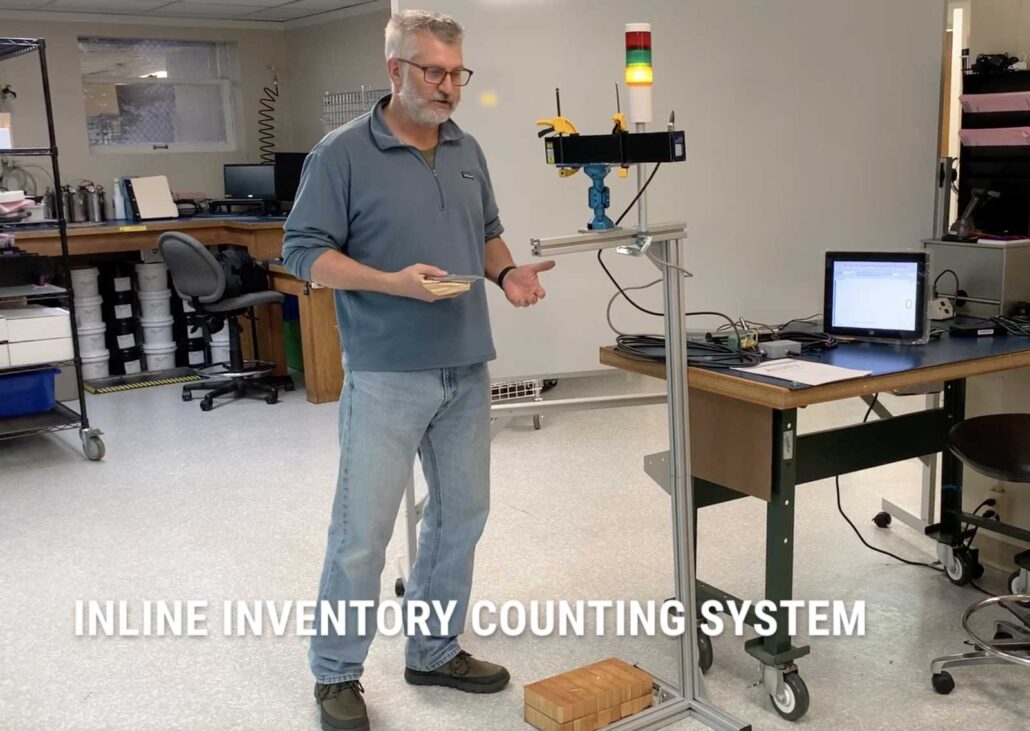
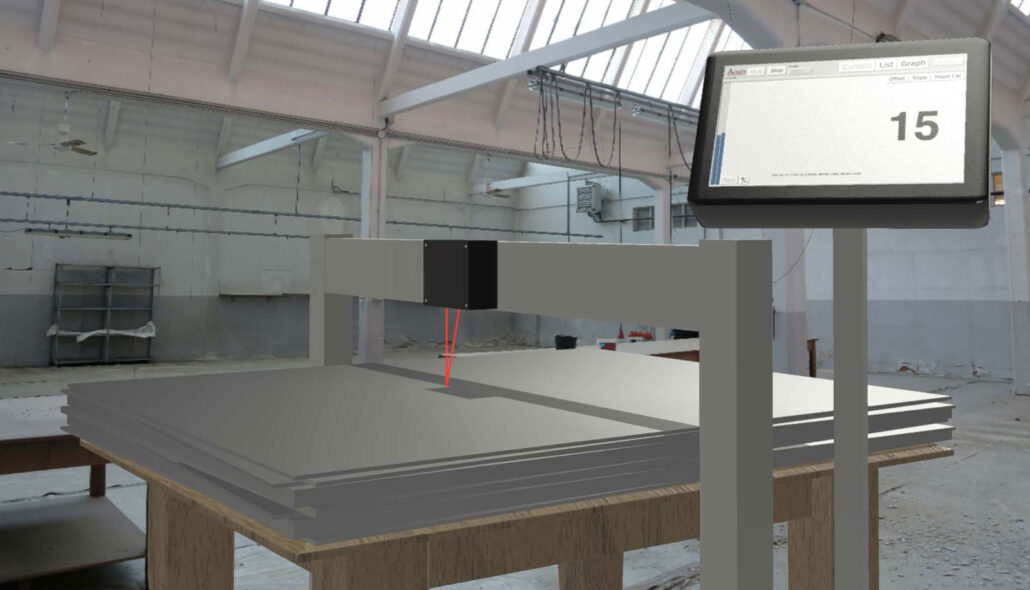
Counting sheet metal stacking for in-line inventory
In this video we showcase how we use our AR700 Laser Displacement Sensor to count & display stacks of sheet metal.
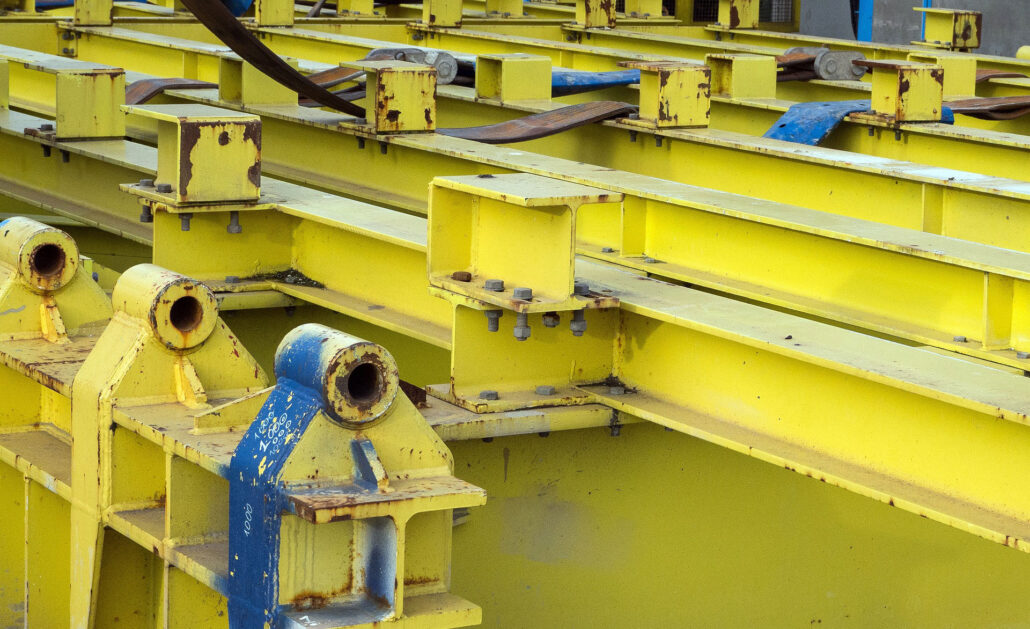
Crane Rail Thickness Custom Application
Crane rail thickness solution uses both short range and long range laser sensors, and reduces measurement of wear-and-tear on rail flanges from 3 months to 1 night.
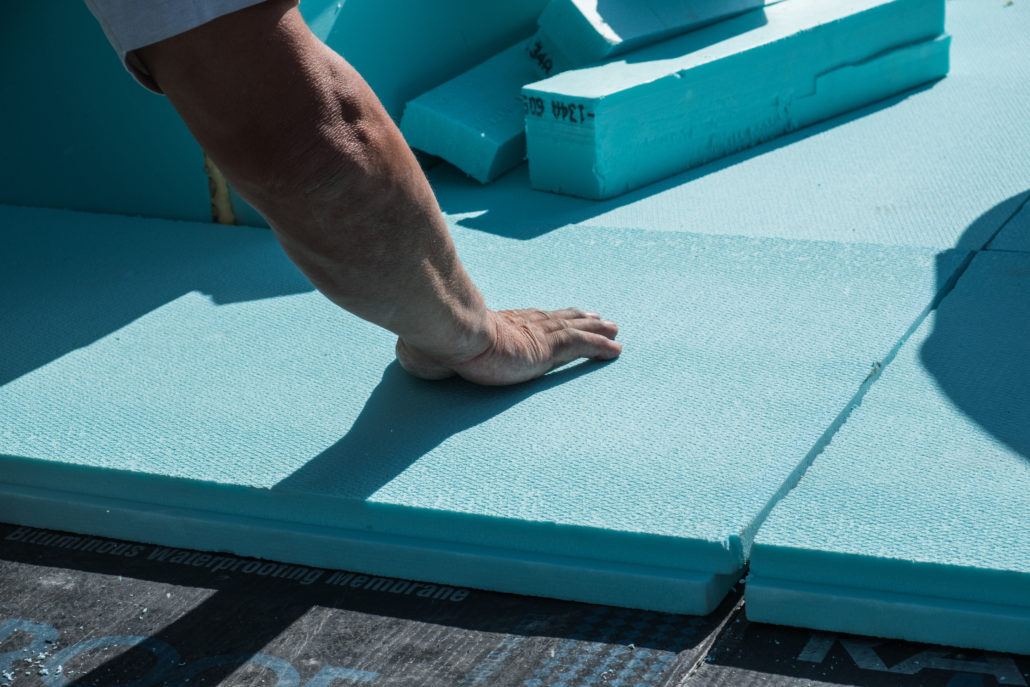
Inline Board Thickness Measurement
Non-contact laser displacement sensors are used to measure the thickness of polystyrene foam-extruded insulation boards in a continuous manufacturing environment.
Inventory Management Systems by Measuring Thickness
One method for monitoring inventory stacks and inventory management systems is using non-contact thickness measurement either during production, at an inspection station, or post-production.
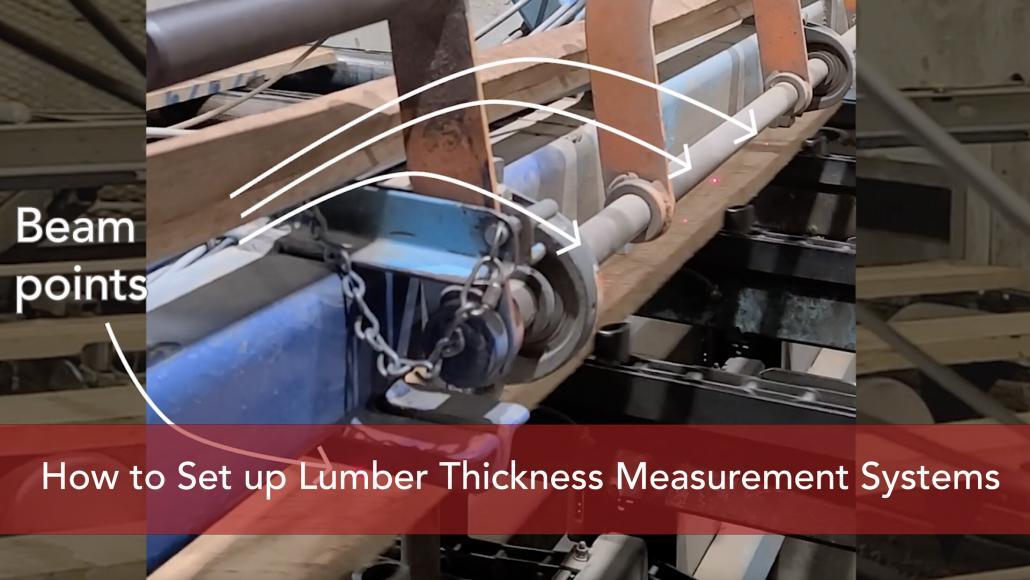
Lumber Thickness and Dimensions
The forest, lumber and wood products industry is a regular user of Acuity laser sensor products for the measuring of logs, cants, lumber, veneer thickness, paperboard, etc.
Manufacturing Plywood with Sheet Thickness Gauging
Sawmills are harsh environments that demand accurate laser sensors under dusty conditions. Production of plywood and OSB (oriented strand board) sheet is highly automated. Several Acuity customers are system integrators who develop specialized instruments for the forest products industry.
Metal thickness as rolled steel passes over a cylinder
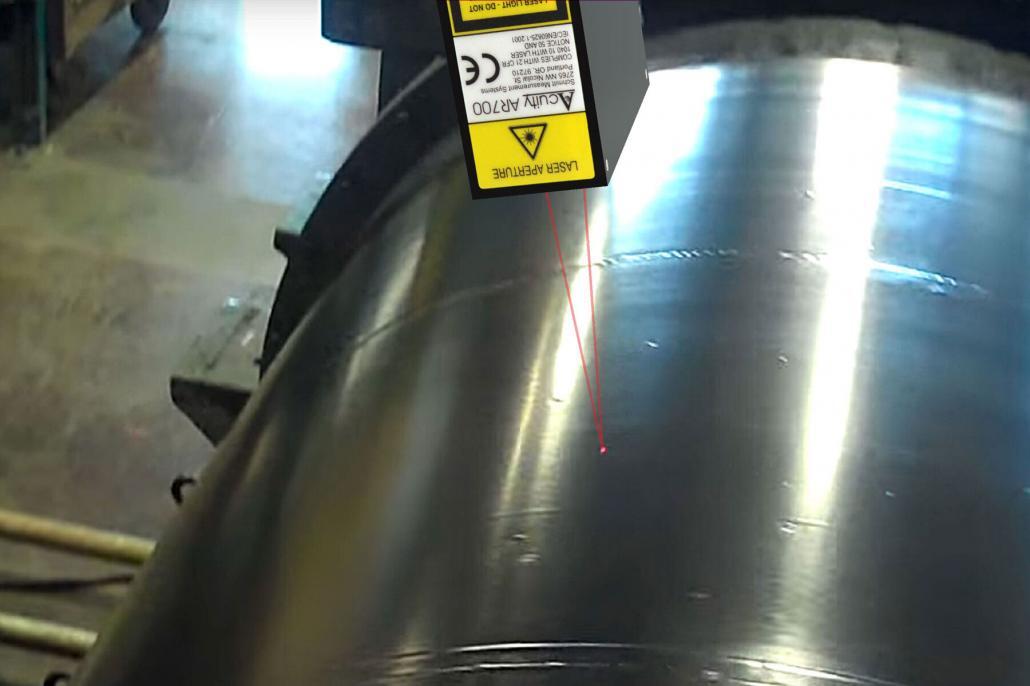
As metal moves over the top of the roller, the laser calculates the height of the metal to be used as the thickness of the metal. A single laser can be used for one point of measurement or multiple sensors across the roll for multiple thickness measurement points.
Non-Contact Rubber Measurement with Laser Displacement Sensor
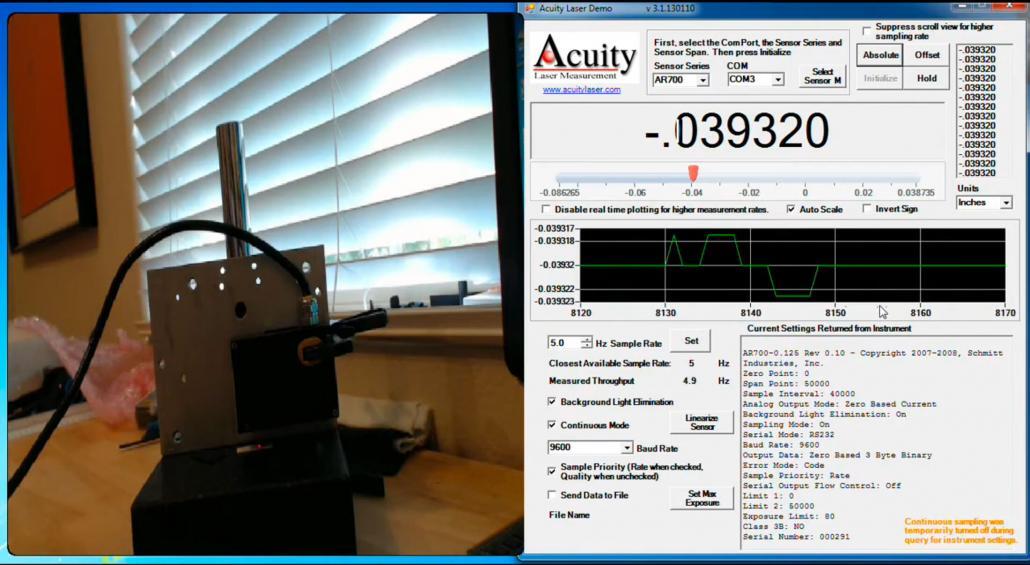
In this example video we show off the abilities of our AR700 laser sensor for non-contact rubber measurement.
Plastic Sheet Thickness
An Acuity customer is using a dual opposed AP820 laser line configuration to be able to measure the thickness of a dark plastic sheet material. The uneven surface profile is used to calculate the overall thickness and make sure the material maintains a minimum thickness requirement.
Rubber Conveyor Belt Thickness
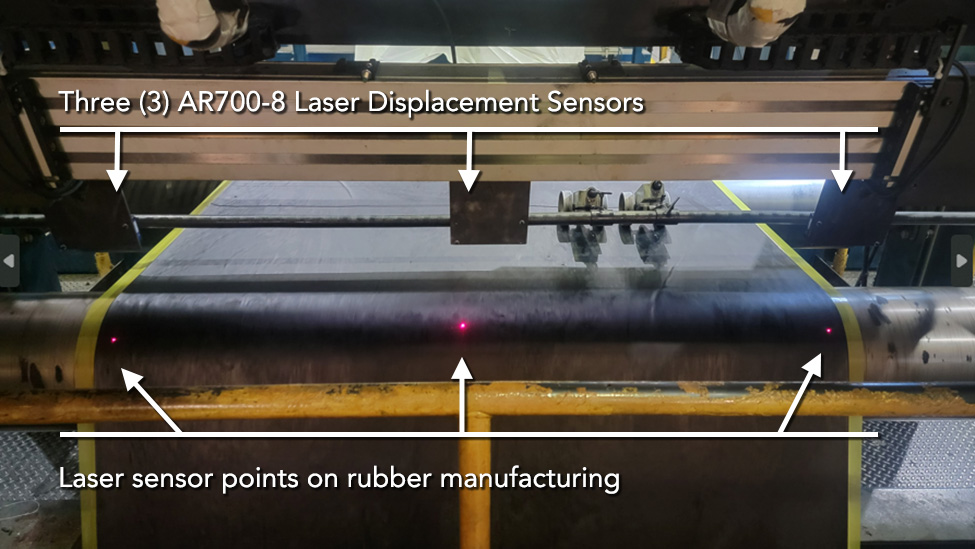
A year or two ago, a process engineer approached the Acuity team looking for a solution to measure the thickness of their rubber product directly on the production line. The customer was looking to measure the thickness of the material in a few locations – a common ask for thickness measurements.
Rubber Thickness Measurement
A rubber manufacturer monitors the thickness measurements using four sensors positioned at the top, 140 mm (5.5 in.) from the sheet surface. The rubber sheet lays across a roll cylinder. The top of the roller is the reference (zero) surface for thickness measurements.
Sag of Web Material to Control Take-Up Speed
Before material is cut into individual sheets, there can be a large sag created by the mismatch of speeds between two rollers. A global manufacturer sought to use laser distance sensors to improve the performance of their production lines.
Scanning the Edge Thickness of a Circuit Board
Last Updated: March 20, 2023
Steel Strip Thickness Measurement
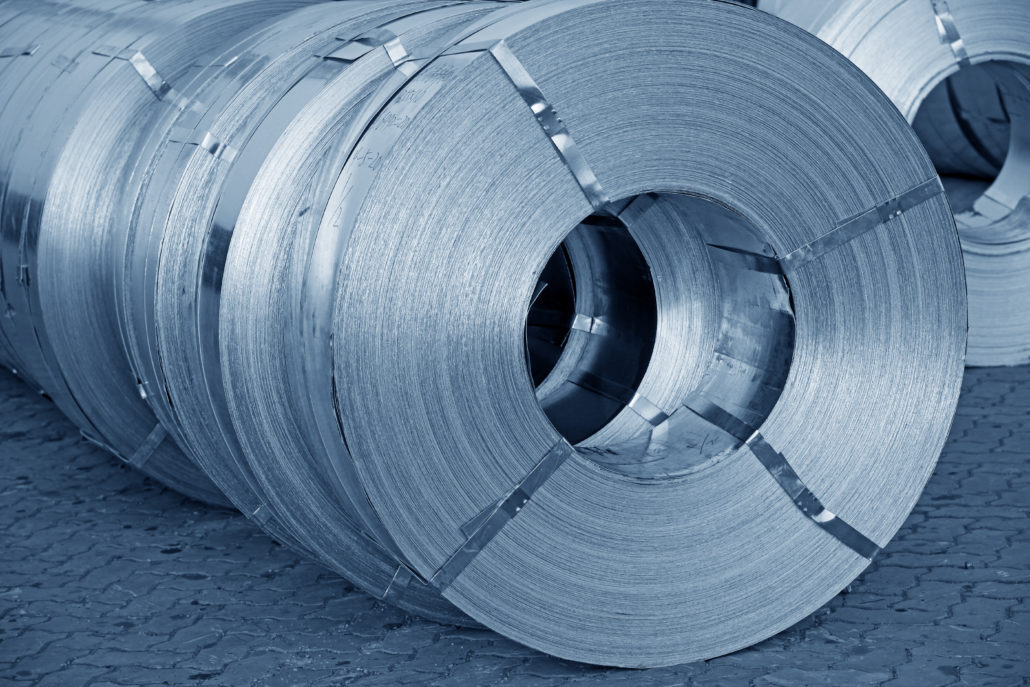
The metals fabrication business is one of the oldest industries in the world. Large mills are automated, but some smaller mills still rely on hand-held micrometers to gauge metal thickness. AR200 laser measurement sensors are ideal for measuring steel strip thickness to fine resolutions. Steel passes between two opposing non-contact laser sensors.
Sub-Micron Thickness Measurement with Dual Laser Sensors
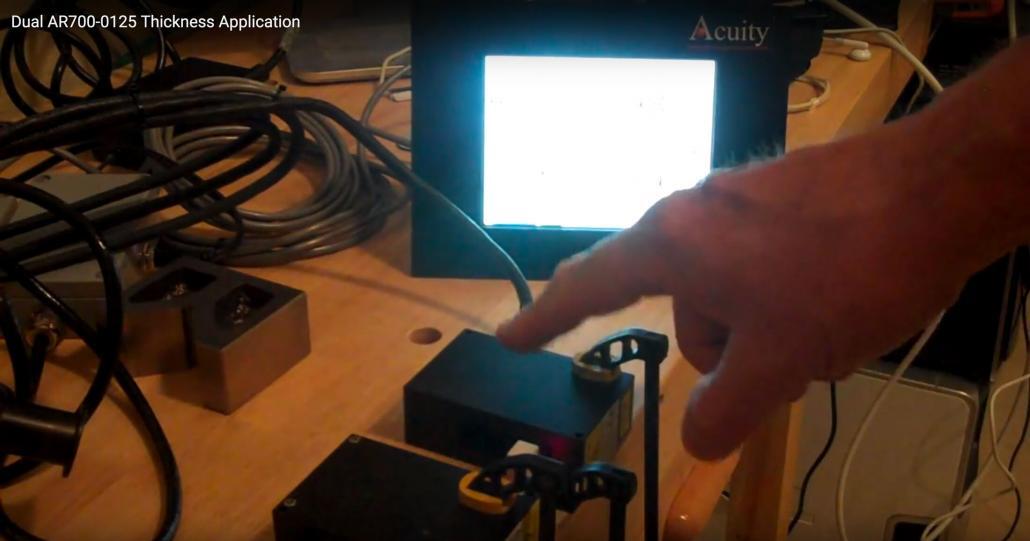
In this application example we zero out two laser displacement sensors for a sub-micron thickness measurement on a 10mm block, with our touch panel displaying between 9.9993mm to 9.9997mm.
Thickness of Plexiglass
The thickness measurement of a plexiglass sheet is a very common application for laser displacement sensors. These product are often extruded between two polished rollers to squeeze the material into the desired thickness. This thickness must be measured and verified for in-process quality control.
Thickness of Polyethylene Films
The thickness of polyethylene films may be measured in-line by using confocal displacement sensors. These ultra-precise sensors measure the thickness of thin, transparent sheet by simultaneously measuring both the top and bottom surfaces.
Wooden Door Online Thickness Measurement
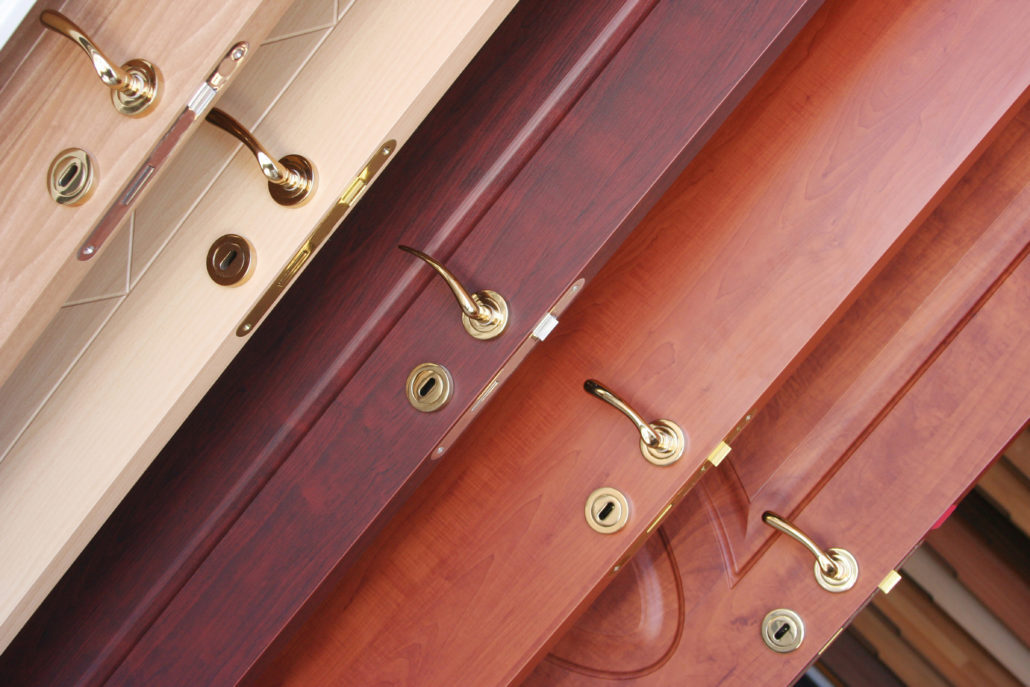
One of the issues doors can have is that they are too thick or too thin for a good fit. Laser displacement sensors in a dual opposed mode can make thickness measurements to hold several thousand’s of an inch as doors move down the conveyor line.

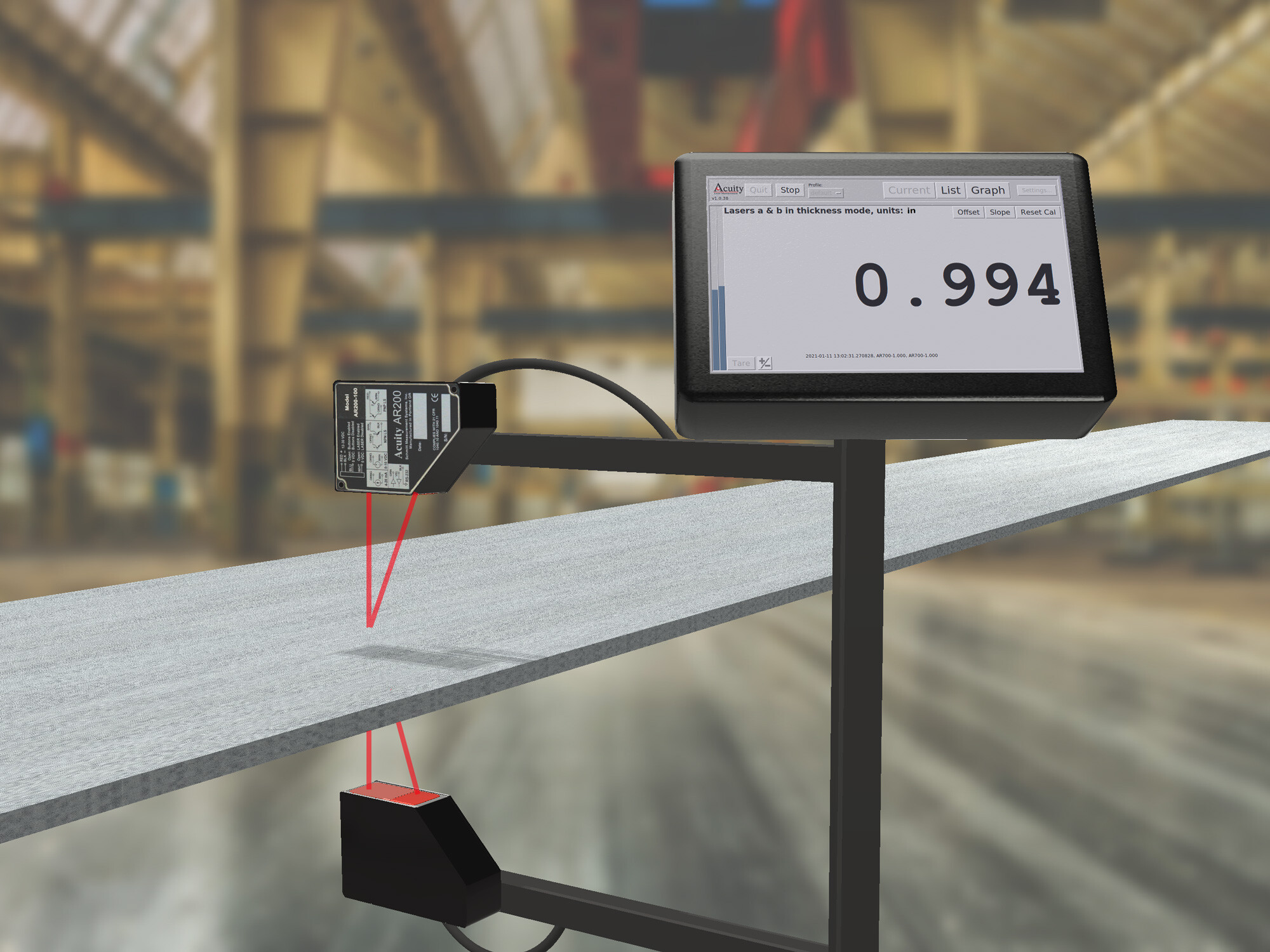 When deciding the best way to measure thickness, it is important to consider factors such as the material target and type of measurement (range, accuracy, speed). It is also important to distinguish between one-sided and two-sided measurement. If a material rests against a reference surface like a conveyor or table, one sensor is used to measure material thickness. Otherwise, dual opposing lasers measure materials that pass between for inline measurement.